
Casa Grande homes for sale offer a diverse mix of history, culture, and modern amenities, appealing…….
Category: casa grande homes for sale
Casa Grande Homes for Sale: A Comprehensive Guide
Introduction
Welcome to an extensive exploration of the captivating world of “Casa Grande Homes for Sale.” This article aims to guide you through the various facets of this dynamic market, offering insights into its history, global reach, economic implications, and technological innovations. We will delve into the policies shaping it, analyze challenges, present inspiring case studies, and peer into the future of this fascinating sector. By the end, readers will have a comprehensive understanding of why Casa Grande homes are not just properties but a significant cultural and economic phenomenon.
Understanding Casa Grande Homes for Sale
Definition and Core Components
“Casa Grande” is Spanish for ‘great house,’ and when applied to real estate, it refers to luxurious and expansive residential properties, often set within lush landscapes. These homes typically feature spacious interiors, high-end finishes, and an emphasis on architectural grandeur. Key components include:
- Size: Casa Grande homes are characterized by their substantial square footage, offering multiple bedrooms, bathrooms, and living areas.
- Architecture: They showcase a diverse range of architectural styles, from modern contemporary to traditional Spanish colonial, often incorporating unique design elements like arches, courtyards, and tile roofs.
- Landscaped Yards: Large, meticulously landscaped yards with mature trees, swimming pools, and outdoor entertainment areas are common features.
- Luxury Amenities: High-end fixtures, custom cabinetry, smart home technology, and gourmet kitchens are expected in these properties.
Historical Context
The concept of Casa Grande homes traces its roots back to the Spanish colonial era in the Americas, where grand mansions were built for wealthy landowners. These structures served as a symbol of power and prestige, featuring intricate architecture and expansive grounds. Over time, the term evolved to encompass not just historical estates but also modern luxury residences that capture the essence of spaciousness and opulence.
Significance and Market Positioning
Casa Grande homes represent a niche segment within the real estate market, catering to a specific demographic seeking unparalleled living experiences. Their appeal lies in:
- Exclusivity: These properties offer a sense of exclusivity and privacy, making them desirable for high-net-worth individuals and celebrities.
- Lifestyle: The spacious layouts and outdoor living areas cater to an opulent lifestyle, ideal for entertaining and relaxation.
- Investment Potential: Due to their unique characteristics and limited availability, Casa Grande homes often command premium prices, making them attractive investment opportunities.
Global Impact and Trends
International Influence
The concept of Casa Grande homes has transcended geographical boundaries, finding resonance worldwide. Here’s a global overview:
- North America: The United States, particularly California and Arizona, is known for its prestigious Casa Grande communities, attracting international buyers.
- South America: Countries like Brazil and Argentina have seen an increase in the construction of modern Casa Grandes, influenced by their Spanish colonial history.
- Europe: In countries with a strong Spanish influence, such as Spain and Portugal, there is a growing interest in preserving traditional architectural styles, leading to a renaissance in Casa Grande design.
- Asia: Luxurious homes inspired by Spanish architecture are gaining popularity in countries like Japan and China, catering to a new breed of high-end buyers.
Key Global Trends
Several trends shape the market for Casa Grande homes globally:
- Gourmet Kitchens: The rise of celebrity chefs and culinary programs has influenced home buyers’ expectations, making gourmet kitchens a standard feature.
- Smart Homes: Integration of smart technology is on the rise, allowing for enhanced security, energy efficiency, and convenience.
- Sustainability: Many modern Casa Grande designs incorporate sustainable features, such as solar panels, to appeal to environmentally conscious buyers.
- Outdoor Living: The pandemic has accelerated the trend of prioritizing outdoor spaces, leading to an emphasis on expansive yards and al fresco entertainment areas.
Regional Variations
Different regions have unique twists on the traditional Casa Grande concept:
| Region | Notable Features |
|—|—|
| California, USA | Modern Mediterranean designs, pool houses, and panoramic views of natural landscapes. |
| Miami, USA | Tropical influences with oceanfront properties, vibrant indoor-outdoor living, and art deco aesthetics. |
| Madrid, Spain | Traditional Spanish architecture, interior courtyards, and historic facades alongside modern amenities. |
| Rio de Janeiro, Brazil | Beachfront mansions with dramatic sea views, tropical landscaping, and open-plan living. |
Economic Considerations
Market Dynamics
The Casa Grande market is characterized by:
- High Demand: Due to their exclusivity and luxury appeal, these properties often have a high demand from affluent buyers worldwide.
- Seasonality: In regions with favorable climates, sales may peak during certain seasons, while other areas experience more consistent activity throughout the year.
- Price Range: The price points for Casa Grande homes vary widely depending on location, size, and amenities but generally fall within the high-end to super-premium category.
Investment Patterns
Casa Grande homes offer compelling investment opportunities:
- Rental Income: Large properties can generate significant rental yields, making them attractive for investors seeking passive income.
- Resale Value: Historically, these homes have maintained or increased their value over time, providing strong resale potential.
- Diversification: Investing in Casa Grandes offers portfolio diversification within the real estate sector, reducing overall risk.
Economic Impact
The economic influence of Casa Grande homes is significant:
- Local Economies: The construction and maintenance of these properties stimulate local economies, creating jobs in construction, landscaping, and home services.
- Tourism: Prestigious homes can become local landmarks, attracting tourists and boosting the hospitality industry.
- Real Estate Trends: Casa Grandes set trends in high-end real estate, influencing the pricing and design of other luxury properties.
Technological Advancements
Smart Homes and Automation
The integration of smart technology is a game-changer for Casa Grande homes:
- Security Systems: Advanced security cameras, motion sensors, and automated gates enhance safety and privacy.
- Home Automation: Voice-controlled lighting, temperature control, and entertainment systems offer unparalleled convenience.
- Energy Efficiency: Smart thermostats and energy management systems optimize utility costs, contributing to sustainability.
Virtual Reality and Design
Technologies like virtual reality (VR) are revolutionizing the design process:
- Immersive Tours: Buyers can virtually walk through properties, allowing for remote inspections and enhancing buyer experiences.
- Customizable Designs: VR enables clients to visualize and customize their dream Casa Grande, aiding architects and designers.
- Remote Collaboration: Architects, developers, and clients can collaborate on projects from different locations, streamlining the design phase.
Future Technologies
Emerging technologies will further shape the Casa Grande market:
- Artificial Intelligence (AI): AI-powered home assistants and predictive analytics can enhance lifestyle experiences and property management.
- 5G Connectivity: Improved connectivity enables faster data transfer, supporting advanced home automation and real-time monitoring.
- Green Technologies: Solar panels, wind turbines, and smart irrigation systems will continue to be integral to sustainable Casa Grande designs.
Policy and Regulation
Legal Frameworks
The development of Casa Grande homes is governed by various legal frameworks:
- Zoning Laws: Local governments dictate land use, ensuring properties comply with specific regulations regarding size, set-back, and landscaping.
- Building Codes: These govern construction standards, safety measures, and energy efficiency requirements.
- Property Tax: High-end homes are subject to higher property tax rates, which vary by region.
- Estate Planning: For wealthy owners, estate planning is crucial to ensure the seamless transfer of such valuable properties.
Incentives and Regulations for Developers
Governments often provide incentives to encourage the development of luxury properties:
- Tax Breaks: Developers may receive tax benefits or exemptions for constructing high-end homes, especially in areas with limited supply.
- Simplified Permitting: Streamlined permitting processes can speed up construction, making them more attractive for developers.
- Infrastructure Development: Local governments may invest in infrastructure upgrades to support the growth of affluent neighborhoods.
Environmental Considerations
Sustainability is a growing focus for Casa Grande developments:
- Green Building Certifications: Developers are increasingly adopting green building practices and seeking certifications like LEED (Leadership in Energy and Environmental Design) to appeal to eco-conscious buyers.
- Water Conservation: Implementing water-efficient fixtures and landscaping reduces environmental impact and utility costs.
- Renewable Energy: As mentioned earlier, solar panels and other renewable energy sources are becoming standard features.
Challenges and Criticisms
Addressing Sustainability Concerns
One of the primary criticisms of Casa Grande homes is their environmental footprint:
- High Resource Use: The construction and maintenance of these properties consume significant resources, leading to increased carbon emissions and waste generation.
- Solution: Developers can mitigate these issues by adopting sustainable building practices, using eco-friendly materials, and incorporating energy-efficient systems.
Affordability and Gentrification
The rise of Casa Grandes has raised concerns about affordability:
- Housing Inequality: The high cost of these properties may contribute to housing inequality, making it challenging for lower-income families to afford nearby residential areas.
- Gentrification: In some cases, the influx of wealthy residents can lead to gentrification, pushing out long-time residents and changing the character of neighborhoods.
- Solution: Governments can implement policies to ensure a mix of housing types and income levels within communities, promoting inclusive growth.
Privacy and Security
With their expansive size and luxurious nature, Casa Grande homes present privacy and security challenges:
- Neighborhood Dynamics: Large properties may create a sense of isolation from neighbors, impacting community engagement.
- Security Risks: High-end homes are attractive targets for burglaries, requiring robust security measures.
- Solution: Developers can incorporate features like secure fencing, surveillance systems, and discreet design elements to enhance privacy while remaining interconnected with the neighborhood.
Case Studies
The Grand Estate in Malibu
This iconic property in Malibu, California, is a prime example of a successful Casa Grande development:
- Design: Set on a cliffside, the 10,000 sq. ft. mansion boasts panoramic ocean views, with floor-to-ceiling windows, a private beach access, and a floating infinity pool.
- Sustainability Features: The home features solar panels, smart energy management, and an advanced recycling system.
- Impact: It has become a local landmark, attracting tourists while maintaining privacy for the owner. Its construction sparked discussions on sustainable development in the area.
Eco-Luxury in Rio de Janeiro
A developer in Rio de Janeiro created a unique community of Casa Grandes focused on sustainability:
- Design Philosophy: Each home incorporates indigenous materials, natural ventilation, and water recycling systems while seamlessly blending with the surrounding landscape.
- Community Amenities: Common areas include organic gardens, meditation ponds, and shared recreational facilities.
- Success: The project has received international acclaim for its design and environmental approach, attracting buyers seeking eco-friendly luxury.
Historic Restoration in Madrid
A restorative project in Madrid transformed a historic palace into a modern Casa Grande:
- Preserving History: The development respected the building’s historical significance, restoring original architecture while adding contemporary amenities.
- Community Engagement: Local artisans and contractors were hired, fostering community pride and economic growth.
- Cultural Impact: The restored palace has become a cultural hub, hosting art exhibitions and community events, revitalizing the surrounding neighborhood.
Future Prospects
Emerging Markets
The future of Casa Grande homes lies in diverse global markets:
- Asia Pacific: Rapid economic growth in countries like Vietnam, Indonesia, and India presents opportunities for luxury home developers.
- Middle East: With a growing middle class and a passion for architecture, the Middle East offers untapped potential for Casa Grande communities.
- Latin America: As these regions continue to embrace modern design and infrastructure, they may see an increase in high-end residential development.
Design Trends
Future Casa Grandes will incorporate:
- Hybrid Styles: Blending traditional and contemporary designs to cater to diverse tastes.
- Smart Homes as Standard: Integration of AI and IoT (Internet of Things) for enhanced lifestyle experiences.
- Sustainability at the Core: Developers will prioritize green building practices, with energy efficiency and water conservation becoming standard features.
Technological Integration
Technological advancements will play a pivotal role:
- Virtual Reality as a Sales Tool: Immersive VR experiences will become commonplace, allowing buyers worldwide to explore properties virtually.
- Predictive Analytics: AI-driven systems can predict maintenance needs, energy usage patterns, and even market trends, enhancing property management.
- Remote Management: Owners will be able to remotely control and monitor their homes, ensuring convenience and security.
Conclusion
“Casa Grande Homes for Sale” represents a captivating intersection of luxury, architecture, and global culture. From its historical roots to its modern manifestations, this segment of the real estate market has evolved to cater to a niche but significant demographic. As technology advances and global trends shift, the future of Casa Grandes looks promising, with opportunities arising from diverse markets and sustainable design.
By embracing innovation while preserving the essence of architectural grandeur, developers and designers will continue to shape this dynamic sector. The case studies presented herein highlight the positive impact these homes can have on communities worldwide, inspiring further exploration and development in this fascinating realm of real estate.
FAQ Section
Q: What makes a property qualify as a Casa Grande?
A: A Casa Grande is defined by its size (typically over 5000 sq. ft.), luxurious finishes, expansive grounds, and architectural grandeur. It should also have unique design elements and high-end amenities.
Q: Are Casa Grande homes only for the ultra-wealthy?
A: While they are often associated with high net worth individuals, Casa Grandes cater to a diverse range of buyers who appreciate luxury, exclusivity, and opulence.
Q: How do global trends impact the Casa Grande market?
A: Global trends, from gourmet kitchens to sustainable design, shape the market by influencing buyer preferences and inspiring developers to create modern interpretations of traditional Casa Grande styles.
Q: What are some environmental considerations in developing Casa Grandes?
A: Developers must address sustainability through green building practices, energy-efficient systems, water conservation, and responsible resource management to minimize the environmental impact.
Q: Can technology enhance the living experience in a Casa Grande?
A: Absolutely! Smart homes, VR tours, and advanced automation not only add convenience but also contribute to energy efficiency and security, enhancing the overall lifestyle experience.
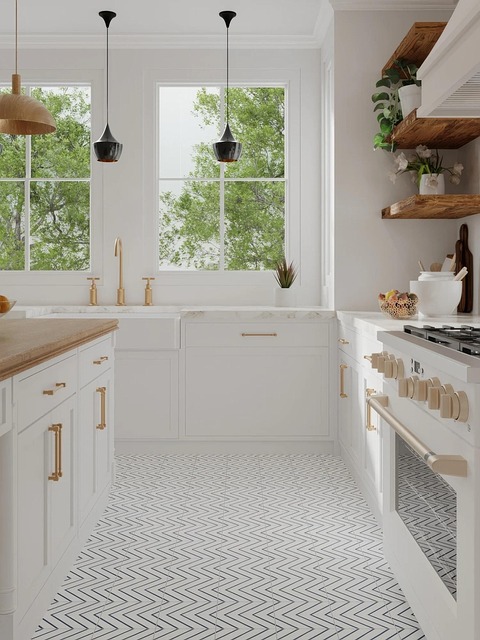
Unveiling Casa Grande Homes for Sale: A Comprehensive Guide
The Casa Grande real estate market for casa grande homes for sale is characterized by strong growth,…….

Unveiling Casa Grande Homes for Sale: Expert Insights
Casa Grande homes for sale offer a dynamic market with affordable pricing, diverse properties from h…….

Unveiling Casa Grande Homes for Sale Secrets
Casa Grande homes for sale feature steady growth (12% annual price rise), competitive market with hi…….

Unveiling Casa Grande Homes for Sale: Expert Insights and Market Guide
Casa Grande homes for sale offer affordable, vibrant communities with diverse architectural styles……..
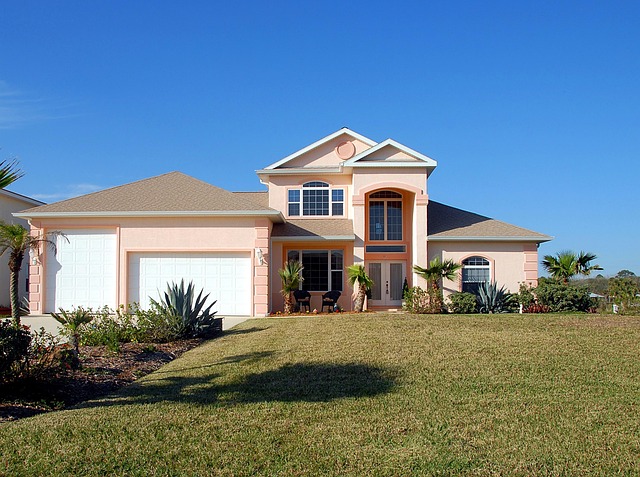
Actionable Analysis for Unlocking Casa Grande Homes for Sale
Actionable analysis of Casa Grande homes for sale involves understanding buyer needs (e.g., first-ti…….

Discover Casa Grande Homes for Sale: Expert Guide to Real Estate Market
The Casa Grande real estate market offers a diverse range of casa grande homes for sale, appealing t…….

Uncovering Casa Grande Homes for Sale with Actionable Analysis
Actionable analysis transforms raw data into strategic decisions for casa grande homes for sale. By…….
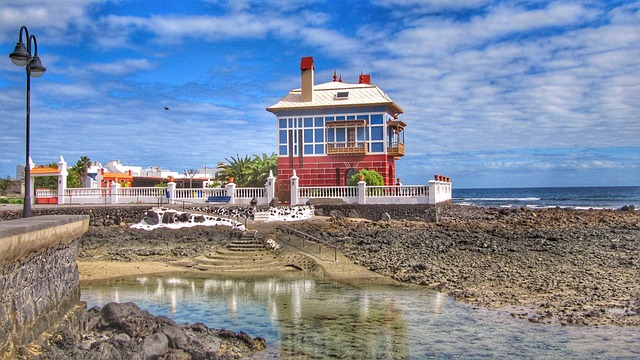
Unveiling Casa Grande Homes for Sale: Expert Guide to Buying
The Casa Grande real estate market offers a diverse range of homes with historical and modern charm,…….
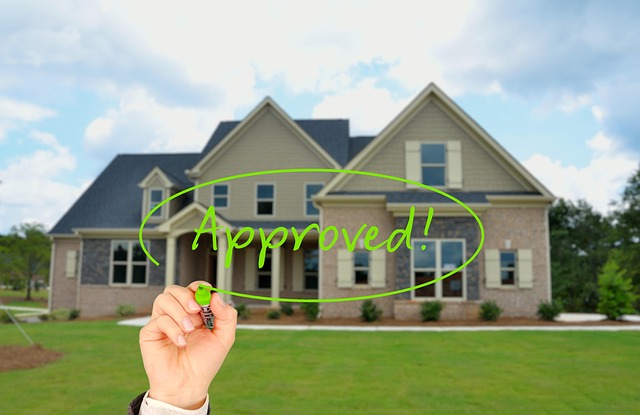
Unveiling Casa Grande Homes for Sale: Expert Insights
Casa Grande homes for sale offer a diverse market with spacious suburban properties appealing to buy…….